


Zion
Few landscapes capture the imagination like Zion. Towering sandstone cliffs rise thousands of feet above the Virgin River, carving a narrow canyon that feels both immense and intimate at the same time.
From the iconic hikes of Zion Canyon to the quieter red rock corridors of Kolob Canyons and the slickrock and drainage systems of East Zion, the park offers a surprising range of ways to experience the landscape. While Zion is one of the most visited national parks in the country, you can still find solitude and quiet here if you know where and when to go.
Landscape & Geology
Zion sits along the edge of the Colorado Plateau, where millions of years of uplift and erosion have carved a landscape of towering sandstone walls, narrow slot canyons, and high desert plateaus.
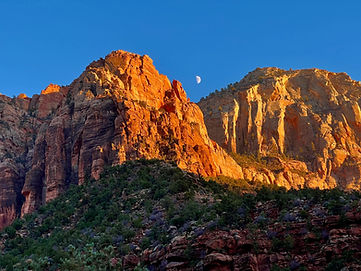
The park’s signature Navajo sandstone cliffs rise dramatically above the canyon floor, glowing in shifting shades of red, orange, and cream depending on the light. Cottonwoods line the Virgin River and bring bursts of color in the fall, while slickrock benches and hidden side canyons invite exploration beyond the main hiking corridors.

Exploring and Hiking
Most visitors focus on a handful of iconic trails in Zion Canyon, but the park offers far more than its most famous routes.
If you’re looking for a bucket-list experience, spend a day hiking The Narrows, one of the deepest and most awe-inspiring canyons in the world. Walking directly up the Virgin River between towering canyon walls—braving one set of rapids after another—is unforgettable. Timing matters here—I strongly prefer late fall, when the canyon is quieter and the cottonwoods add color to the river corridor.
For a higher, more expansive experience, the West Rim Trail offers a completely different perspective on the main canyon. This is the same route you follow on the way to Angels Landing—but instead of turning off, you continue climbing. Past that junction, the crowds fall away and the landscape opens up dramatically, with broader views, quieter terrain, and a stronger sense of the canyon’s scale. Even hiking partway beyond Angels Landing can make for a memorable day.
But Zion isn’t just about the main canyon. Some of the most rewarding experiences happen outside the areas most visitors see.
Kolob Canyons: Zion’s Quieter Side
Kolob Canyons offers a quieter way to experience Zion—towering red sandstone walls without the constant flow of people. The scale is just as impressive, but the landscape feels more open, and the trails far less traveled.
The two standout routes here are both along Taylor Creek. The Middle Fork winds gradually deeper into the canyon with multiple easy creek crossings (trekking poles are helpful). After about 2½ miles, it reaches its natural turnaround point at the base of the canyon, where a striking double arch sits tucked into a forested alcove. Along the way, you’ll pass a couple of historic cabins that add a quiet sense of history to the walk.
The South Fork is shorter but more immediately dramatic, with canyon walls rising around you early on. The two can easily be combined into one full, rewarding day.
East Zion & Clear Creek: Slickrock and Exploration
East Zion feels very different from the main canyon. The landscape opens up into slickrock and rolling sandstone, and instead of a single defined trail, you’re guided by the natural drainages and canyon systems that shape where you can go.
If you’re short on time, Canyon Overlook is a quick and accessible option with a great view. The other established trail here is the long East Rim Trail, which compared to everything else Zion offers, doesn’t quite deliver the same payoff.
What makes this side of the park worth your time is Clear Creek and its surrounding canyon system.
This isn’t a single trail—it’s exploration. You move across slickrock, follow drainages, and drop into canyons to see where they lead. It’s one of the few places in Zion where you can still feel like you’re figuring it out as you go.
Clear Creek itself winds through sections of narrows, while side canyons offer everything from straightforward wanderings to more involved terrain. You may even come across petroglyphs tucked into the canyon walls.
Despite being so close to the road, this area still offers a surprising amount of solitude. Even as it’s become more known, it’s still possible to spend hours here without seeing anyone.
Just Outside Kolob Canyons
Just outside the Kolob Canyons area, a couple of additional canyon hikes arguably stun more than the hikes inside the park.
Kanarra Canyon is the more well-known option—a beautiful narrow canyon and a more classic slot-style experience with striking waterfalls.
Spring Creek Canyon is lesser-known but equally impressive. It offers a rewarding canyon experience for hikers looking for something off the main radar.
→ See my Spring Creek Canyon guide for route details and what to expect.
A Landscape That Invites Return
I keep returning to Zion because, quite simply, it’s one of the most spectacular landscapes on the planet.
It can be challenging to find new hikes in such a well-known park, but the surrounding landscapes and lesser-known routes ensure that there is always something more to explore. On Canyon Laurel, you’ll find only the hikes and places that I believe capture the very best of Zion’s magic.


Featured Hikes


Things to Know
Zion Canyon shuttle system
For much of the year, private vehicles are not allowed on the Zion Canyon Scenic Drive. During these periods visitors must use the park’s shuttle system to reach most trailheads in the main canyon. The system works well, but during busy seasons the lines can become extremely long, especially in the morning.Bike or e-bike alternative
One of the best ways to experience Zion Canyon is by renting a bicycle or e-bike in nearby Springdale, Utah. Bikes are allowed on the scenic canyon road even when private vehicles are restricted, and riding through the canyon is both peaceful and incredibly scenic. It also allows you to move between trailheads without waiting in shuttle lines.Parking fills very early
Parking inside Zion often fills early in the day during busy seasons. When the lots inside the park are full, visitors must park in Springdale and take the town shuttle to the entrance.Traffic entering the park from Springdale
The road leading through Springdale to the park entrance can become heavily congested during peak travel periods. Lines of cars waiting to enter the park are common during spring break, holiday weekends, and summer mornings.Flash floods and canyon safety
Many of Zion’s most famous hikes involve narrow canyons or river travel. Flash flooding can occur during storms—even if the rain is falling miles away. Always check conditions with park rangers before entering narrow canyon routes like the Narrows.Heat and water
Zion’s desert climate can be deceptively intense. Many trails are exposed to the sun and summer temperatures often exceed 100°F. Carry more water than you think you’ll need and start hikes early during warm months.Sunrise and sunset are the most magical times in the canyon
Zion’s towering sandstone walls glow dramatically during low-angle light. Early morning and evening are not only the most beautiful times in the park, but they are often quieter as well.


When to Visit
Timing your trip makes a huge difference in Zion National Park.
Summer is actually one of the most difficult times to visit. Temperatures are extremely hot, crowds are heavy, and popular trails become packed with visitors.
Personally, I find late fall to be the best time of year to visit Zion. From mid-November through early December the park becomes noticeably quieter, while cottonwood trees along the Virgin River turn beautiful shades of gold. Experiencing Zion during fall color adds an entirely new dimension to the canyon.
In many years the sweet spot occurs around mid-November, when cooler temperatures, smaller crowds, and fall color all come together.
Winter is another good time to visit Zion-during dry weather- as visitors will experience fewer crowds and typically be able to drive Zion Canyon with their own vehicle, a huge bonus! Just know that Zion can be cold and wet in winter, and ice pack may close some trails and create hazards in shady sections.
Spring can also be a wonderful season thanks to mild temperatures, however spring break crowds often fill the park throughout March, and snowmelt can affect river levels and canyon conditions.
One of the most useful strategies for avoiding crowds is to pay attention to school holiday schedules. Zion becomes much busier during major school breaks and holiday weekends. Planning a trip just before or just after those busy periods can dramatically improve the experience.
Where to Stay
Staying inside Zion National Park can be a wonderful way to experience the park, especially if you plan ahead.
Watchman Campground sits just inside the park entrance and offers beautiful views of the surrounding cliffs. It’s large and busy, but the convenience and scenery make it a popular option. Campsites must usually be reserved well in advance.
If you prefer lodging inside the park, Zion Lodge offers a unique experience. It’s often not dramatically more expensive than hotels in nearby Springdale, and staying there allows you to experience the canyon early in the morning and evening when most visitors have left. Guests are also allowed to drive part of Zion Canyon in their own vehicle year-round, which can make exploring the park much easier. I highly recommend this option!
Just outside the park entrance, the town of Springdale, Utah offers several hotels with spectacular views of the cliffs and very easy access to the park.
Personally, I typically stay in La Verkin, Utah, a short drive away with much more reasonable lodging options including a few newer hotels and a good inventory of Airbnb's. La Verkin and neighboring Hurricane also have good access to the Kolob canyons, and there is even a new hot springs resort in Hurricane to unwind and repair after a long day on the trail!