


Experiencing the Southwest with Limited Mobility
The landscapes on this site exist to move people — not just physically, but emotionally and spiritually. That experience should belong to everyone, regardless of physical ability.
Some of the most awe-inspiring places in the American Southwest are surprisingly accessible. You don't need to hike ten miles or scramble over boulders to feel the scale of a canyon or the strangeness of a badlands at golden hour. What you need is honest information about what's actually out there — and that's what this page is for.
ZION
— More Accessible Than Most People Realize

Zion surprises visitors with limited mobility. The canyon itself—towering walls, the Virgin River, and shifting light—can be experienced in meaningful ways without taking on strenuous hikes.
Why it works
-
The Scenic Drive connects the canyon floor with frequent stops—by shuttle most of the year, and by personal vehicle during certain windows
-
A handful of paved or mostly flat paths make it possible to move through the landscape, not just view it
-
The canyon’s scale is immediate—you’re surrounded by it without needing to go far
Don’t miss
-
Pa’rus Trail — a fully paved path along the Virgin River
-
Riverside Walk (Temple of Sinawava) — a mostly paved path leading into the start of the Narrows
-
Scenic Drive stops with short walks beneath towering canyon walls
Good to know
-
Most iconic hikes (Narrows, Angels Landing, West Rim) are not accessible
-
The Riverside Walk ends with a sandy, uneven section at the river
-
Access depends on season—shuttle required much of the year
Best for
-
Visitors who can manage a gentle paved walk
-
Those wanting immersion without strenuous hiking
GRAND CANYON
— Iconic Views with Minimal Effort
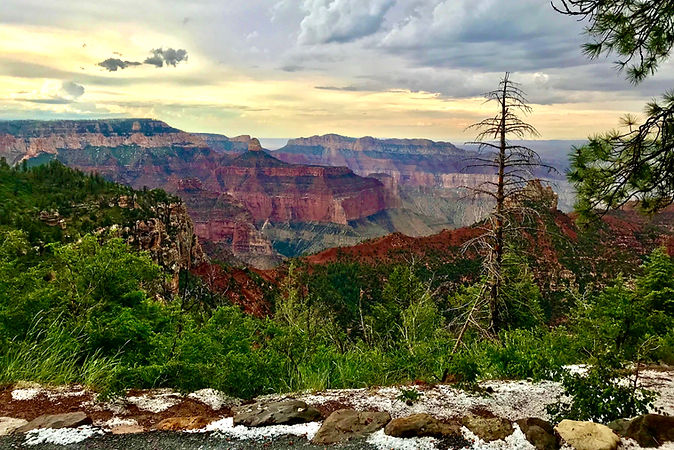
The Grand Canyon delivers some of the most dramatic scenery in the world, much of it accessible directly from overlooks along both the South and North Rims.
Why it works
-
Numerous drive-up viewpoints along both rims
-
Long, paved sections of the Rim Trail (South Rim) allow for continuous walking along the canyon edge
-
Shuttle access connects multiple viewpoints along the South Rim without needing to drive
Don’t miss
-
South Rim viewpoints and Rim Trail segments
-
North Rim overlooks (quieter, equally stunning perspectives)
-
Desert View Drive for a scenic stretch of accessible viewpoints
Good to know
-
South Rim is more developed and accessible overall
-
North Rim is seasonal but less crowded
-
Trails below the rim are steep and not accessible
Best for
-
Classic canyon views without hiking
-
Flexible, choose-your-distance walking

BRYCE CANYON
— Instant Canyon Views, Effortlessly
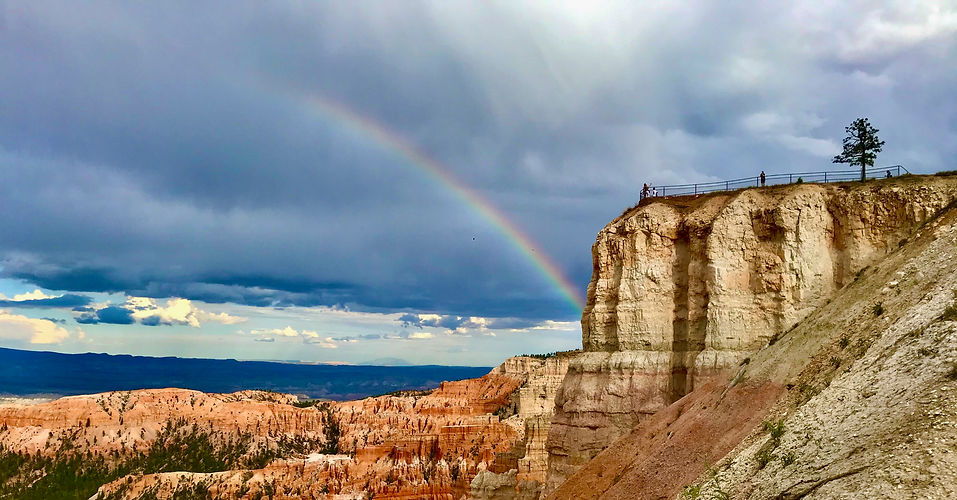
Bryce Canyon is one of the easiest places in the Southwest to experience dramatic landscape at scale, with hoodoos and canyon views visible almost immediately from the rim.
Why it works
-
The main road follows the rim, with frequent stops along the canyon edge
-
The central amphitheater area concentrates the park’s most iconic views in a short stretch
-
A paved section of the Rim Trail connects Sunrise and Sunset Points
Don’t miss
-
Sunrise, Sunset, and Inspiration Points
-
Walking the Rim Trail between Sunrise and Sunset
-
Driving the full scenic road to Rainbow Point and stopping on the way back
Good to know
-
Only rim areas are accessible—trails into the canyon are steep
-
Elevation is high (8,000–9,000 ft), which can affect energy levels
-
Weather can change quickly, especially in colder months
Best for
-
Immediate, high-impact views without hiking
-
Easy, choose-your-distance walking along the rim
-
First-time visitors to the Southwest
CAPITOL REEF
— Drive Into the Canyons, Then Keep Going

Capitol Reef offers something rare—you can drive straight into narrow canyon walls, then step out and continue on foot as far as you like.
Why it works
-
The Scenic Drive runs through the center of the park, with spur roads that take you into Grand Wash and Capitol Gorge
-
A paved section of the Fremont River Trail connects the Fruita campground and visitor center, passing through orchards and the historic area
-
The Fremont petroglyph panel along Highway 24 is accessible via a short boardwalk
Don’t miss
-
Driving into Grand Wash and Capitol Gorge, where the road narrows between canyon walls
-
Walking beyond the road in both canyons—go as far as comfortable
-
Fruita orchards and Gifford House
-
Petroglyph panel
Good to know
-
Spur roads are unpaved and may change with weather
-
Canyon floors are flat but uneven
-
Shade is limited—heat and sun exposure can be significant
Best for
-
Experiencing canyon walls up close without a long hike
-
Combining driving with short, flexible walks
-
A quieter, less crowded alternative to Zion

DEATH VALLEY
— Maximum Impact with Minimal Effort
Death Valley offers some of the most accessible awe in the Southwest, with dramatic landscapes just steps from the car.
Why it works
-
Numerous drive-up viewpoints
-
Short walks from paved areas
-
A wide variety of landscapes accessible with minimal effort
Don’t miss
-
Badwater Basin — a vast expanse of salt flats at the lowest point in North America, where you can step out and immediately be surrounded by the landscape
-
Mesquite Flat Sand Dunes (walk as far as comfortable)
-
Devil’s Golf Course
-
Zabriskie Point and other canyon viewpoints
Good to know
-
Sand and uneven terrain can limit mobility aids
-
Salt flats are firm near the parking area but become uneven farther out
-
Heat can be a major factor—timing matters
Best for
-
Drive-based exploration
-
Short walks on maintained surfaces
SEDONA
— Accessible Beauty at Every Turn

Sedona’s red rock landscape is visible almost everywhere—from roads, viewpoints, and short walks. You don’t have to hike far to experience something beautiful here, and many of the most memorable views are just steps from where you park.
Why it works
-
Numerous viewpoints with minimal walking
-
Walkable areas in Uptown and Tlaquepaque
-
Easy access to iconic scenery from roadside pull-offs and short paths
-
Places like Courthouse Vista and Fay Canyon offer simple, rewarding experiences without a big commitment
Don’t miss
-
Courthouse Vista – Wide, relatively level paths with expansive views and a better chance of parking than nearby Bell Rock
-
Red Rock Crossing (Crescent Moon Ranch) – Easy access to one of Sedona’s most iconic views, with mostly flat, open, and partially paved areas
-
Fay Canyon – A gentle, scenic walk into a red rock canyon with reliable parking and a relaxed feel
-
Airport Mesa viewpoint for quick, panoramic views
-
A drive through Oak Creek Canyon for continuous scenery right from the road
Good to know
-
Parking can be the biggest challenge—areas like Bell Rock often fill early, making nearby alternatives like Courthouse Vista a more reliable choice
-
Even easier trails may have uneven or sandy sections
-
Many of the best experiences here are short, flexible, and don’t require a full hike
Best for
-
Drive-through visitors
-
Short, flexible walks
-
Those looking for beautiful places without committing to longer hikes
PETRIFIED FOREST
— Color and Texture from the Road
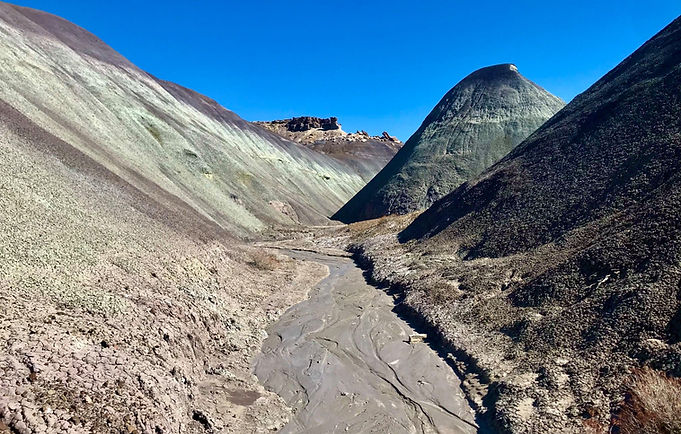
This is one of the easiest parks to explore, with vibrant badlands, petrified wood, and overlooks just steps from parking areas.
Why it works
-
Scenic drive connects nearly all major sites
-
Short, flat paths and viewpoints throughout
-
Minimal effort required for a full experience
Don’t miss
-
Blue Mesa viewpoints and short loop options
-
Crystal Forest area for close-up petrified wood
-
Painted Desert overlooks
Good to know
-
Trails are short but often uneven
-
Exposure is high—little shade
-
Easy to explore in short segments
Best for
-
Low-effort exploration with big visual payoff
-
Visitors wanting variety without long hikes
BLACK CANYON OF THE GUNNISON
— Sheer Depth from the Rim

This is one of the most dramatic canyons in the Southwest, with steep drop-offs and narrow walls visible from overlooks along the rim.
Why it works
-
The South Rim Scenic Drive provides access to multiple overlooks with minimal walking
-
Several viewpoints are close to parking areas
-
The canyon’s depth and steepness are immediately visible from the rim
Don’t miss
-
South Rim overlooks along the scenic drive
-
Short walks to viewpoints with sheer canyon drop-offs
Good to know
-
The North Rim is more remote and less developed, with fewer accessible viewpoints
-
Most trails into the canyon are steep and not accessible
-
Expect uneven surfaces at some overlooks
Best for
-
Dramatic canyon views without needing to hike
-
Visitors comfortable with short walks and uneven terrain
VALLEY OF FIRE
-High Impact Stops Throughout the Park
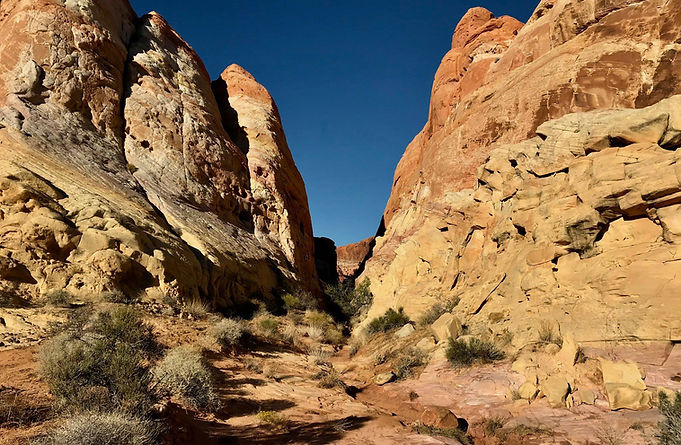
Valley of Fire offers constant visual interest with numerous short walks and viewpoints, making it easy to experience a lot in a short time.
Why it works
-
Frequent pullouts and viewpoints along the main road
-
Many short trails with immediate payoff
-
Striking formations close to parking areas
Don’t miss
-
Fire Wave (short but uneven walk)
-
Scenic drive viewpoints throughout the park
-
Atlatl Rock and other quick-access features
Good to know
-
Terrain is often uneven and sandy
-
Heat can be intense—timing matters
-
Some top features require short walks
Best for
-
Short, flexible exploration
-
Visitors comfortable with brief uneven terrain
CANYONLANDS
(ISLAND IN THE SKY)
— Vast Views, Minimal Walking

Canyonlands (Island in the Sky) delivers sweeping desert canyon views from high above, with many of the most dramatic overlooks just steps from the car.
Why it works
-
A paved scenic road connects major viewpoints across the mesa
-
Many overlooks are located very close to parking areas
-
Key features are spread out but easy to access by car
Don’t miss
-
Mesa Arch (short walk)
-
Grand View Point overlook
-
Green River Overlook
-
Nearby Dead Horse Point State Park for additional easy-access viewpoints
Good to know
-
Extreme heat and sun exposure—there is very little shade anywhere in the park
-
Walking surfaces are often uneven despite short distances
-
Distances between stops are longer than they appear on a map
Best for
-
Big-picture canyon views without long hikes
-
Scenic driving with short stops
-
Pairing with Dead Horse Point for a fuller experience
PAGE & MARBLE CANYON
— Two Iconic Accessible Experiences

This region offers two of the most accessible and iconic landscapes in the Southwest.
Why it works
-
Major landmarks reachable with minimal walking
-
Paved or flat access to world-class scenery
Don’t miss
-
Horseshoe Bend — paved path to overlook (slight incline)
-
Upper Antelope Canyon — flat guided walk through slot canyon
Good to know
-
Horseshoe Bend is not fully flat but manageable for many
-
Upper Antelope requires a guided tour
-
Lower Antelope Canyon involves ladders and is not accessible
Best for
-
Horseshoe Bend — most visitors, including many mobility aid users with assistance
-
Upper Antelope Canyon — flat-ground walking with guided support

HANKSVILLE AREA
— Surreal Landscapes, Select Access Points
This area ranges from extremely accessible to highly remote, with a few standout locations offering easy entry into dramatic terrain.
Why it works
-
Goblin Valley State Park offers easy wandering among formations
-
Bentonite Hills provide striking color with short walks from the road
-
Some landscapes are visible with minimal effort
Don’t miss
-
Goblin Valley — open, flexible exploration
-
Bentonite Hills — short walks into colorful terrain
Good to know
-
Many nearby slot canyons require navigation and rough roads
-
Conditions can change quickly with weather
-
Accessibility varies widely by location
Best for
-
Visitors seeking a mix of easy exploration and unique landscapes
-
Those comfortable choosing locations carefully