


Sedona
I’ve called Sedona home since 1995. But my relationship with it began a year earlier when I had one of the most profound and life-changing experiences of my life. I felt distinctly called here — long before Sedona became the international destination it is today.
Back then it was widely known as the “New Age Mecca of the world.” I was originally drawn by the vortex energy and the spiritual undercurrent that seemed to hum beneath the red rocks. But I stayed because of the land itself — the beauty, the accessibility, and the sheer abundance of hiking opportunities.
Sedona has a way of amplifying whatever you bring to it. I’m often asked whether I “feel the energy.” The best way I can describe it is that all of Sedona feels like a vortex. It seems to magnify what’s already present — clarity, confusion, transition, inspiration. During a year I spent running a spiritual retreat center here in the 90s, I witnessed countless people have deeply transformative experiences. It wasn’t uncommon for someone to visit, go home, pack up their life, and move here.
Despite the growth, the tourism, and the rising costs, Sedona and the greater Verde Valley remain extraordinary. I wouldn’t still be here otherwise.
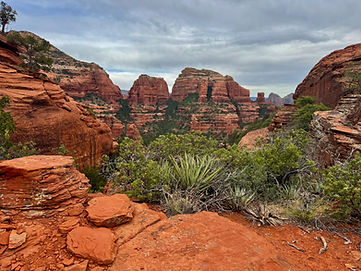

Exploring and Hiking
Here’s the reality: most visitors hike the same five trails. The most crowded are Cathedral Rock, Devil’s Bridge, and the “Subway” in Boynton Canyon. They are beautiful — and often extremely congested.
But there are dozens of hikes just as stunning, if not more so, where you may encounter only a handful of people — or none at all. Knowing where to go changes everything.
Another gift of Sedona hiking is accessibility. Most system trails are moderate and not terribly long. While strenuous climbs and off-trail adventures certainly exist, you don’t need extreme mileage to have a meaningful experience. You can come for a weekend or stay for a month and never run out of options.
Traffic strategy matters. If you’re driving up from the south, consider approaching through Cottonwood rather than Highway 179 through the Village of Oak Creek, which often becomes severely congested. West Sedona, in particular, offers excellent trail access, restaurants, and services without requiring you to navigate Uptown traffic.
Canyon Hiking
Sedona is one of the best places in the Southwest to hike through red rock canyons. There are several canyons with a similar overall character but unique feel. Most are easy to access and straightforward to explore, even if hikes are often rated moderate due to length.
Sedona's canyons have a more forested feel than many of the surrounding trails, with shade, creek crossings, and stretches that feel enclosed by trees and canyon walls. They're especially worth visiting in the fall, when cottonwoods and maples bring a full range of color to the canyon floor.
The canyons are also one of the best places in Sedona to start exploring beyond the trail. The landscape here is so thoroughly threaded with use trails that the off-trail world has its own kind of logic—subtle paths worn by years of curious feet, often marked by cairns stacked along the way. I started noticing those rock piles and letting them lead me, and it changed the way I hike here entirely. They don't always go somewhere dramatic—but often enough, they do. A cave, a ledge, a view that isn't in any guide.
Petroglyphs, ruins, and cultural sites are out there too—and they deserve care and respect. Exploring beyond maintained trails requires strong route-finding skills and a genuine commitment to leaving things exactly as you found them. But if you're an experienced hiker willing to tread lightly, Sedona's canyons will give you as much as you're willing to look for.


Featured Hikes


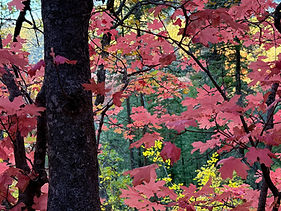
Sterling Pass
Sterling Pass is a shorter but strenuous hike with a steep climb to a high saddle, followed by a contrasting descent into a forested canyon on the Dry Creek side toward Vultee Arch. Known for its fall color and dramatic canyon walls, it’s a rewarding option for those willing to put in the effort.

Long Canyon
A quieter alternative to Sedona’s more popular hikes, Long Canyon offers a steady, moderate climb through a forested canyon with occasional views of red rock walls. At 3.5 miles each way, it’s better suited for those looking for a longer, more immersive hike rather than a quick scenic stop. Also excellent for off-trail exploration.
Things to Know
Expect extreme congestion at Cathedral Rock, Devil’s Bridge, and Boynton Canyon during peak seasons. Early starts make a significant difference.
A Red Rock Pass is required at many trailheads (or a valid federal recreation pass).
Parking enforcement is active, and lots fill quickly on weekends and holidays.
Highway 179 through the Village of Oak Creek is a traffic bottleneck; plan accordingly.
Respect cryptobiotic soil — do not step on dark, crusty ground. Stay in washes or on established trails.
Flash floods are a real risk in narrow canyons during monsoon season.
Fire restrictions are common during dry periods — check current regulations before your trip.
West Sedona, Uptown, and the Village of Oak Creek each have very different feels — choose your base intentionally.
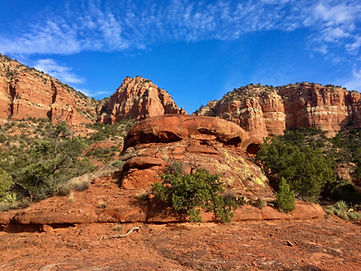

When to Visit
The best time to visit Sedona is in late fall, so that you have the bonus of enjoying spectacular fall color in the canyons! Winter is also an excellent time to come (except for over holidays) for fewer crowds and good hiking weather. Summer isn't ideal as it get quite hot from late May through mid-September — often reaching 100 degrees. March is also a bad time to visit because spring break brings excessive crowds.
Where to Stay
There is no camping within Sedona proper. Oak Creek Canyon offers several established campgrounds — especially beautiful in late October when fall color peaks — but they are busy and book quickly.
Dispersed camping is available outside town in areas such as Forest Road 525. These require self-sufficiency and respect for Leave No Trace principles.
Sedona isn’t my first choice as a camping destination. This is a place where I recommend staying in a motel or renting an Airbnb — ideally with a kitchen. Dining out here adds up quickly. Sedona offers every amenity you’d expect in a world-class destination: fine dining, art galleries, Whole Foods, and walkable shopping districts.
West Sedona is my preferred area for easier access and less congestion, though each part of town has its advantages depending on what kind of experience you want.